
Casino tournament rules to read before you play should be treated as the game plan, not fine print. For Australian players comparing tournament formats, the practical details are often the interface, language, currency, navigation and support that determine whether a format works on a small screen or a busy desktop. At home, Australian rules football attracts heavy legal wagering, while exotic racing bets such as the “first four” and “quaddie” remain familiar concepts. That makes a clear, locally usable casino experience especially important. Reckon you should know the buy-in, payout structure and deadlines before placing a stake?
Choosing a tournament that fits your routine

Some players prefer a fixed buy-in and a fixed prize pool. That format is easy to understand: pay the stated amount, receive a defined number of tournament credits, then compete for a share of the published prize pool. It suits a player who wants one clear target rather than a complicated rewards path. Check whether the entry fee is deducted in Australian dollars, whether credits convert at a visible rate and whether a single account can hold more than one tournament ticket.
Other players prefer leaderboard-based tournaments with a longer schedule. These can work well if you enjoy short sessions, but they require more attention to ranking rules, minimum hands and the treatment of tied scores. A separate qualification stage may unlock a final round, so read whether late entries are accepted and how unfinished games are handled.
A third group likes free-play or promotional tournaments. Here, the prize may be cash, a bonus or a mix of both, and the practical question is whether bonus funds can be withdrawn immediately or only after wagering conditions are met. No worries if the wording is clear; ambiguity is the problem. A proper rules panel should explain eligibility, time limits, game contributions and prize processing in language you can actually understand.
Reading the rules without missing the important bits
Start with the tournament rules before you play and locate the buy-in, start time, game restrictions, scoring method and prize allocation. Then check how ties are resolved, whether a player can enter more than once and what happens if a tournament is cancelled or disrupted. Search should lead directly to the rules and prize table, not just the casino’s promotional landing page. If a term is unclear, use live chat and keep the written answer, because a casual explanation in chat may not match the published terms.
Navigation matters as much as the wording. On a phone, tournament details should open without a maze of menus, and buttons such as “Join”, “Enter” and “Buy-in” should be distinguishable. The rules page should show the current prize pool, countdown and player count without forcing a reload. Filters for game type, stake and format also save time, particularly when you are comparing several events in a hurry.
Before committing any money, confirm the currency shown at checkout, the payment method and the processing times for prizes. Some tournaments may use AUD while others display credits or promotional balances. Make sure the cash-out route is available in Australia and complete identity checks through the official process; never attempt to bypass verification or location controls. Defo, a visible rules summary is a better sign than a flashy banner that hides the conditions.
A mobile-first look at tournament usability
A casino’s visual identity should make the tournament lobby easy to scan. Strong contrast, obvious status labels and a consistent card design help you compare entry fees, durations and prize pools at a glance. Avoid interfaces where a countdown, prize amount and “play now” button all look alike. On mobile, sticky buy-in and rules controls can be useful, but they should never cover essential terms or make it difficult to return to the lobby.
Language localisation is equally important. Australian players should see familiar spelling, sensible date and time formats, and a currency symbol that matches the account balance. If the site offers a particular language, the tournament rules should appear in that language too, rather than leaving players to decipher a translated page backed by English-only terms. Support hours should also be visible. A live chat that closes before a busy evening tournament starts is hardly much help.
The best interface does not just look tidy; it reduces uncertainty. Check that joining a tournament automatically selects the right game, stake and table. Look for a confirmation screen showing the amount charged, starting credit and scheduled end time. Then test the navigation from the lobby to the rules and back again. A site that keeps that route straightforward is likely to feel more manageable from Brisbane, whether you are playing during lunch or after work.
What promotional access can and cannot tell you
Promotional pages can help players discover a new tournament, but they should never replace the official rules. If you are evaluating an offer, compare the campaign terms with the tournament terms and note any difference in eligible games, wagering requirements or prize timing. This is where an own-site offer can be useful: 21 bit casino no deposit bonus codes gives you a place to review promotional information, after which you should confirm every condition inside the casino itself.
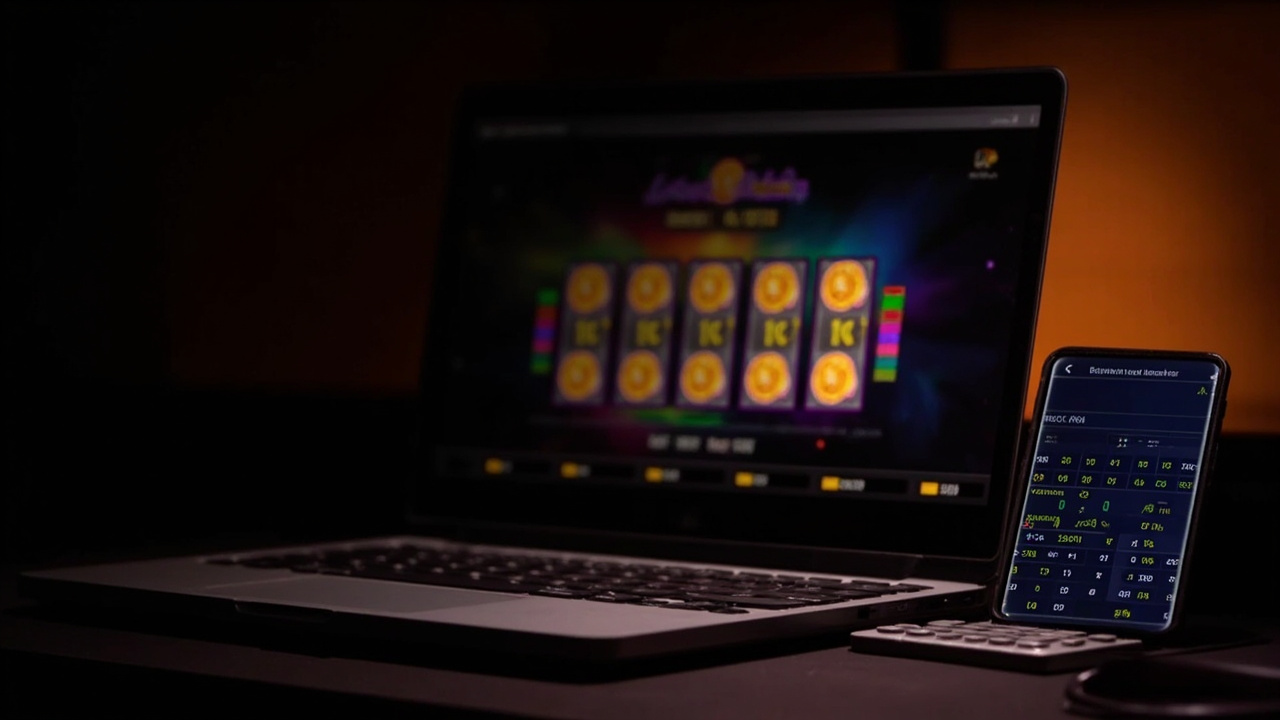
Broader buying-in commentary can also help with comparison. A short guide to casino tournament buy-ins explains formats and selection criteria, but it should still be checked against the operator’s current rules. Offers, prize pools and game contributions can change, so an old screenshot should never drive a deposit decision.
Focus on the product experience: a clear tournament lobby, translated rules, AUD displays, reliable navigation and accessible support. Promotions may attract attention, while interface and localisation determine whether you can understand the event and manage it confidently. Check the terms, confirm the charge and set your own limits before entering. There is no shortcut around that, and a bit of preparation is always worthwhile.